

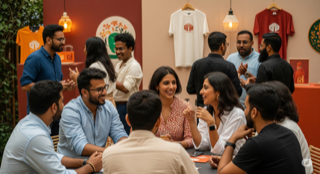
For years, personalization was seen as the pinnacle of marketing offering tailored emails, product suggestions, and targeted ads. But as Indian consumers grow more connected, conscious, and community-driven, personalization alone is no longer sufficient. Today’s audiences want belonging, purpose, and a voice. Community-centric branding is emerging as a powerful alternative, where brands don’t just speak to their consumers but build with them.
Why Is Community-Centric Branding Gaining Momentum in India?
India is uniquely poised for this shift, thanks to its massive digital population and cultural diversity.
Key Drivers:
- Massive Internet Penetration:
Over 692 million active internet users in India (IAMAI-Kantar, 2024), many engaging in niche, interest-based digital communities. - Value-Oriented Gen Z & Millennials:
- 73% of Gen Z in India prefer brands that align with their values (Kantar, 2023).
- 61% are more likely to engage with brands that involve them in brand decisions or storytelling.
- Shift from Transactions to Identity:
Brands are now seen as extensions of personal identity, especially when they reflect cultural roots, causes, or lifestyles.
What Is Community-Centric Branding, Really?
Unlike personalization, which tailors communication to individuals, community-centric branding:
- Builds a shared sense of identity
- Creates a platform for engagement and participation
- Embeds itself into culture, values, and conversations
In essence, it’s about belonging, not just buying.
Examples from Indian Brands Leading the Movement
- Paper Boat
- What they did: Recreated nostalgia through storytelling that evoked collective memories – childhood, local festivals, mango summers.
- Impact: Built emotional equity, not just product recall. Their brand is now a symbol of shared Indian identity.
- boAt Lifestyle
- What they did: Fostered a digital-first tribe of “boAtheads” – millennials and Gen Z users who co-create content, attend fan fests, and participate in product ideation.
- Impact: From an earwear start-up to a youth movement, with over 15,000+ community contributors.
- Forest Essentials
- What they did: Launched Customer Diaries, featuring stories of real users and their skincare journeys.
- Impact: Built authenticity and trust, tapping into the growing demand for peer-driven content.
- The Souled Store
- What they did: Leveraged India’s obsession with cricket, comics, and pop culture, and allowed fans to suggest designs or themes.
- Impact: Created an inclusive, creative community of buyers and designers.
Strategic Playbook for Community-Centric Marketing
If you’re a brand in India looking to adopt this approach, here’s a roadmap:
1. Find Your Cultural Anchor
Choose a theme that resonates deeply with your audience:
- Regional pride
- Shared nostalgia
- Common struggles or aspirations
2. Create Feedback Loops
Let your audience shape your brand by:
- Running polls for product design or naming
- Hosting virtual or in-person meetups
- Encouraging user-generated content (UGC)
3. Reward Participation, Not Just Purchase
- Spotlight contributors on your platforms
- Offer early access or beta testing
- Celebrate milestones with the community
4. Measure What Truly Matters
Move beyond just likes and clicks. Focus on:
- UGC volume and engagement
- Return participation rate
- Sentiment analysis and brand trust metrics
Even Legacy Brands Are Joining In
Traditional players aren’t far behind.
- Amul remains relevant by integrating topical cultural commentary into its brand voice and continuing its model of farmer-led dairy cooperatives. Its grassroots engagement has created a deeply loyal, generational customer base.
- Dabur: Over 135 years old, Dabur’s foundation lies in Ayurveda and traditional Indian wellness.
- Tata Tea’s Jaago Re! campaign is a powerful example of how a traditional FMCG brand can own social issues as part of its brand identity.
The Data Behind the Shift
- Brands that actively nurture community practices have reported 30–40% higher customer retention rates.
- 60% of Indian consumers now trust recommendations from peers more than traditional advertisements.
- Indian consumers are 2.5x more likely to buy from a brand they feel is aligned with their community or cause.
The Future Belongs to the Tribe-Builders
Community-centric branding is more than a marketing tactic, it’s a movement rooted in trust, transparency, and co-creation. In India, with its diversity of cultures, languages, and shared experiences, this model is not only natural but necessary. Brands that foster belonging rather than broadcast, and invite participation over persuasion, will build deeper relationships and longer-lasting equity.
The future of branding in India isn’t just personalized, it’s personal. And above all, it’s participatory.


